
Transform Old Furniture Into Beautiful Pieces
Learn chalk painting, furniture flipping, and vintage restoration techniques that actually work. Educational guides for UK upcyclers.
Why Upcycling Matters
Master the skills that transform charity shop finds into stunning focal pieces
Chalk Paint Mastery
We've covered everything from prep work to final sealing. Learn why chalk paint sticks where others fail, and how to get that perfect matte finish.
Spotting Quality Pieces
Not every charity shop find is worth your time. We'll teach you what to look for — solid wood versus veneered, hidden damage, and real value.
Wood Preparation
Sanding, stripping, staining — the foundation of any good restoration. Get the prep right and your finish will look professional every time.
Sustainable Choices
Every piece you restore is one less item in landfill. We focus on eco-friendly techniques and materials that won't harm your home.
Creative Finishes
Beyond basic paint. Learn distressing, stencilling, metallic effects, and patina techniques that add real character to your pieces.
Hardware & Details
The right handles, knobs, and hardware transforms a piece. We show you where to source quality replacements and how to install them properly.
Featured Resources
Start with these essential guides from our Upcycling & Furniture Restoration collection
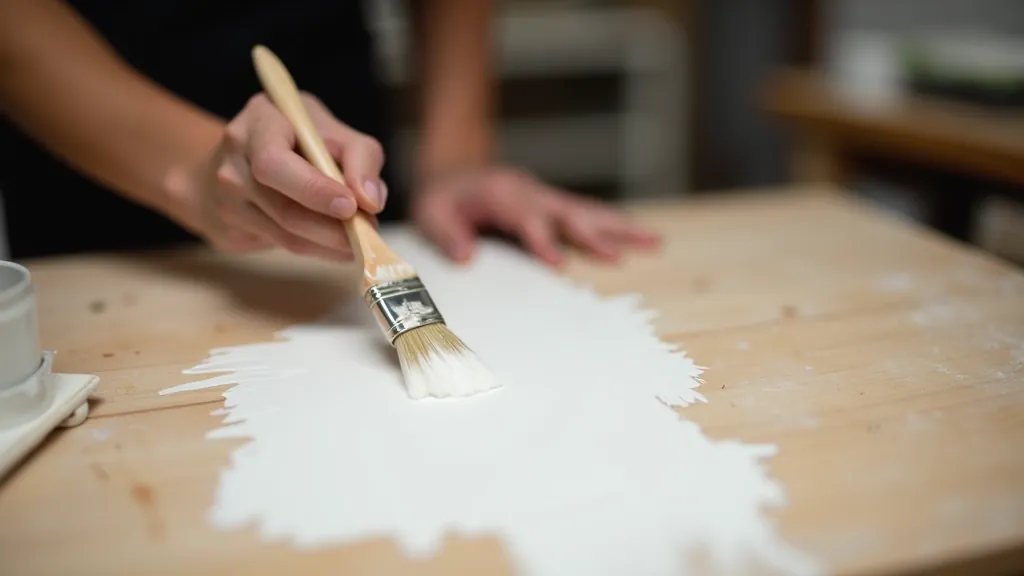
Chalk Paint Basics: Everything You Need to Know
A practical introduction to chalk paint — what it is, how to apply it properly, and why it works so well for furniture transformations. Covers prep work, technique, and finishing touches.
Read Guide →
Charity Shop Furniture Flips: Spotting Winners
Learn what to look for when hunting at charity shops and car boot sales. We break down solid wood versus veneered, spotting damage, and calculating whether a piece is worth flipping.
Read Guide →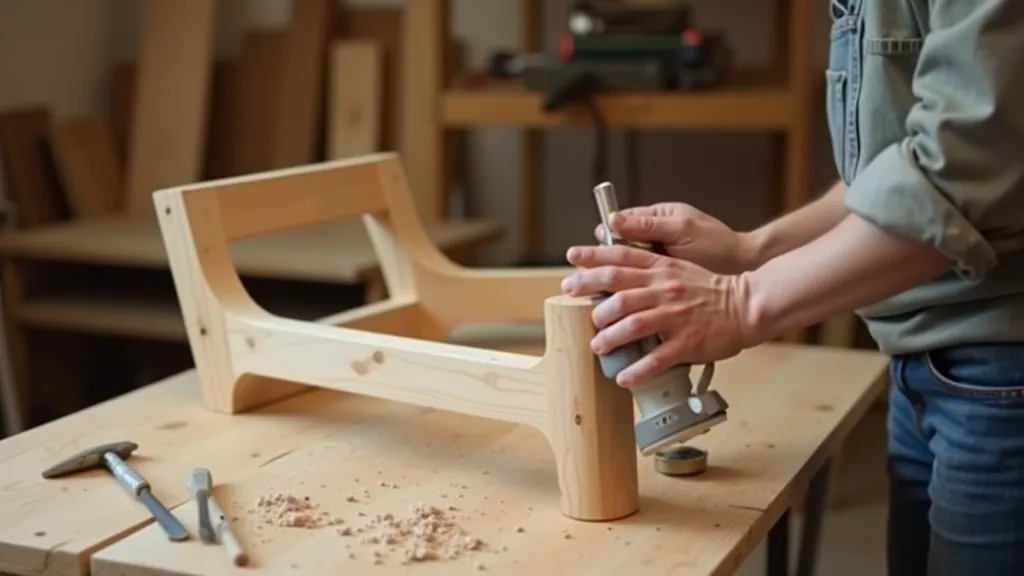
Vintage Restoration 101: Wood Prep and Finishing
Everything you need to know about preparing vintage wood furniture — sanding techniques, dealing with stains, stripping old finishes, and applying protective coats that'll last.
Read Guide →Real Stories From Our Community
See how people just like you are transforming their spaces
"I'd buy stuff from charity shops and it'd just sit there. I wasn't confident enough to tackle anything serious. Didn't know where to start with chalk paint — wasn't even sure it would stick properly."
"Now I've got a system. I know exactly what to look for when I'm out hunting. Followed the chalk paint guide step-by-step and honestly, my first dresser looked like I'd paid someone to do it. It's become a proper hobby."
What You'll Get From Our Resources
Practical knowledge that works in the real world
Step-by-Step Guides
Clear instructions you can actually follow. We don't skip the boring bits — because those boring bits are what make the difference between good and brilliant.
Tools & Materials Lists
Know exactly what you need before you buy anything. We've tested everything and share which products actually deliver and which ones are a waste of money.
Real-World Examples
See how techniques work on actual furniture pieces. We show you what went wrong and how we fixed it — because mistakes are the best teachers.
Common Questions
Find answers to what people ask us most
Do I need experience to get started?
Not at all. Our guides start from the absolute basics. We assume you've never painted furniture before and walk you through everything. Most people are amazed at what they can do with a bit of guidance.
What's the difference between chalk paint and regular paint?
Chalk paint has additives that help it stick to furniture without extensive prep work. It dries to a matte finish and you can distress it easily. We've got a full breakdown in our chalk paint basics guide with photos showing the difference.
How do I know if a charity shop piece is worth buying?
Look for solid wood construction, sturdy joints, and minimal structural damage. Veneered pieces can work too — we show you what to avoid. Our spotting guide has a checklist you can take shopping with you.
Is this actually sustainable or just feel-good?
It's genuinely sustainable. Every piece you restore is one less item in landfill. Plus, you're using eco-friendly paints and finishes where possible. We're transparent about the environmental impact of different techniques.
Can I use these techniques in a small space?
Absolutely. Many of our techniques work perfectly in apartments and small homes. We've got specific sections on ventilation, dust management, and working in compact spaces.
Where do I source materials in the UK?
We've compiled a list of recommended suppliers and budget alternatives. From specialty paint brands to hardware suppliers and wood restoration products — all tested and UK-based where possible.
Ready to Start Your First Project?
Whether you've got a charity shop find waiting at home or you're still planning your first hunt, we've got everything you need to succeed. Join hundreds of people who've transformed their furniture and discovered a rewarding hobby.