The Hunt Begins: Where to Look
You're walking through your local charity shop on a Saturday morning. Racks of clothes, shelves of books, and there it is — a wooden dresser tucked in the corner. But is it worth your time? That's the real question. Finding furniture worth flipping isn't just about luck. It's about knowing what to look for.
Car boot sales and charity shops are goldmines, but they're also time-intensive. You'll need to develop an eye for solid pieces with genuine bones. The difference between a dud and a winner often comes down to three things: the wood quality, the condition, and whether it's actually fixable without professional equipment you don't own.
Pro tip: Scout your local shops during off-peak hours (weekday mornings) when new donations are being priced. You'll have first pick and avoid the weekend crowds competing for the same pieces.
Solid Wood vs. Veneer: The Critical Distinction
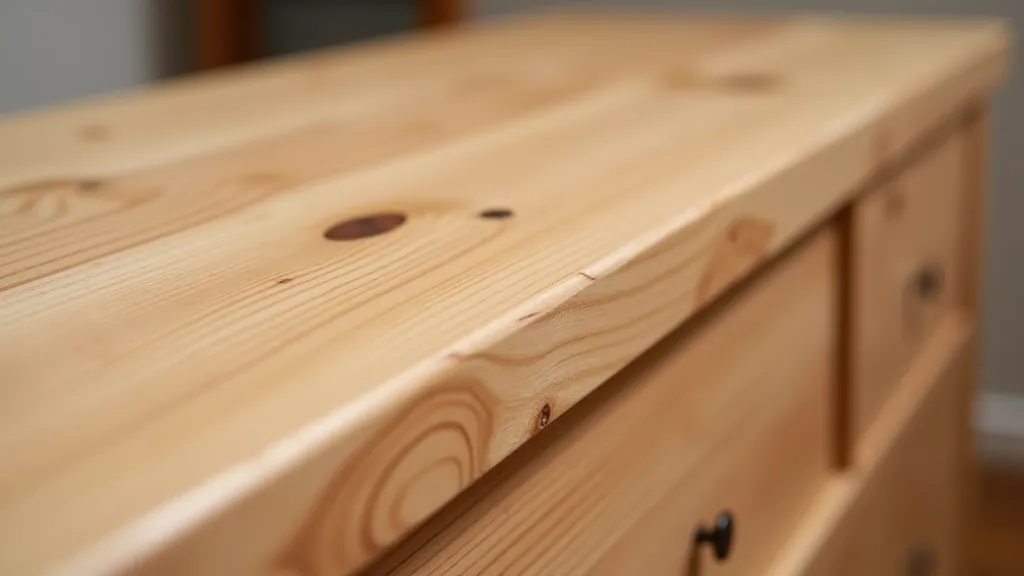
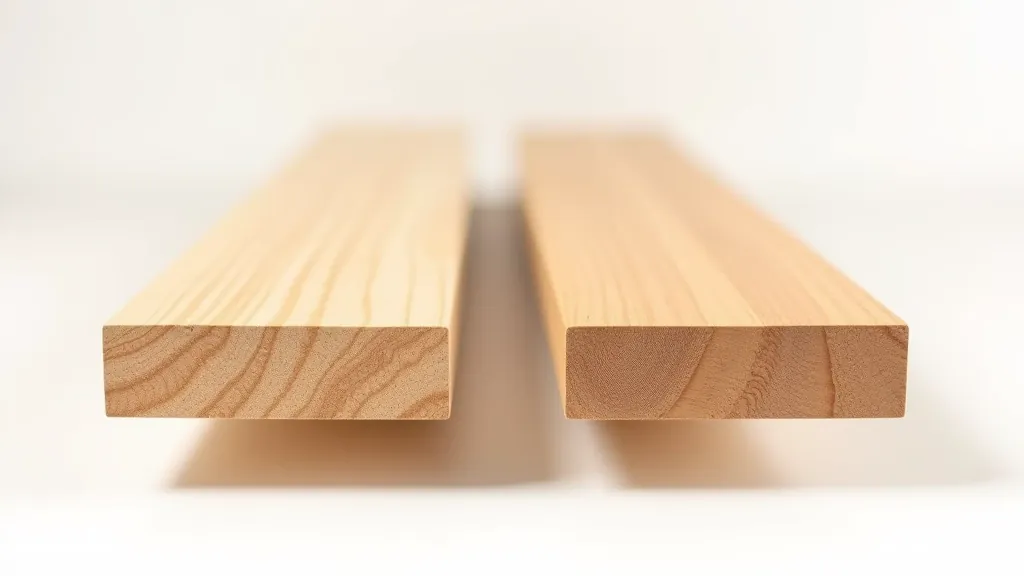
This is where most beginners make mistakes. Solid wood and veneered furniture require completely different approaches. Solid wood — oak, walnut, pine, mahogany — is your friend. It's durable, takes paint well, and if you sand through accidentally, there's more wood underneath. Veneer is a thin layer of quality wood glued onto cheaper plywood or MDF. Don't dismiss it entirely, but it's riskier.
Here's how to tell the difference. Look at the edges. Solid wood edges show consistent grain throughout. Veneered pieces show a thin decorative layer on top, then a plywood edge underneath. Check inside drawers and underneath tables — solid wood will have consistent thickness. If you see thin layers peeling up anywhere, that's veneer damage, and it's often not worth fixing.
- Solid wood: More forgiving, better for beginners, sands and paints beautifully
- Veneer: Avoid if damaged, risky with power tools, better left unpainted
- Check edges first — this tells you everything you need to know
Spotting Hidden Damage: What to Actually Worry About
Not all damage is a deal-breaker. Surface scratches? Easy fix with sanding and paint. Wobbly joints? Tighten the bolts or add wood filler and re-glue. But some issues will cost you time and money you won't recover on a budget flip.
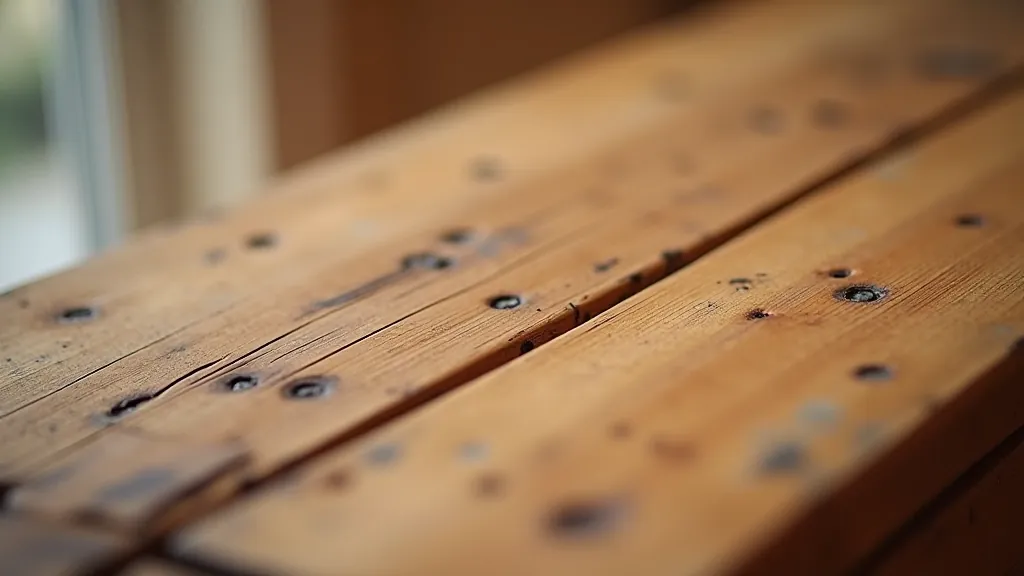
Water damage is the big one. Look for dark stains, soft spots when you press the wood, or white bloom on the surface (that's mold starting). If the damage is deep, the wood's compromised. You can't sand that out reliably. Woodworm is another killer — tiny holes with dark dust around them. That's an active infestation or past damage that's weakened the structure.
Safe to Fix
Scratches, dents, missing handles, loose joints, old paint or varnish
Walk Away
Water damage, woodworm, deep cracks, split legs, warped frames
The Math: Is This Actually Worth Your Time?
Let's be real — not every piece you like will be worth the effort. You need to think like a business, even if you're just doing this for fun or side income. Factor in your materials and time.
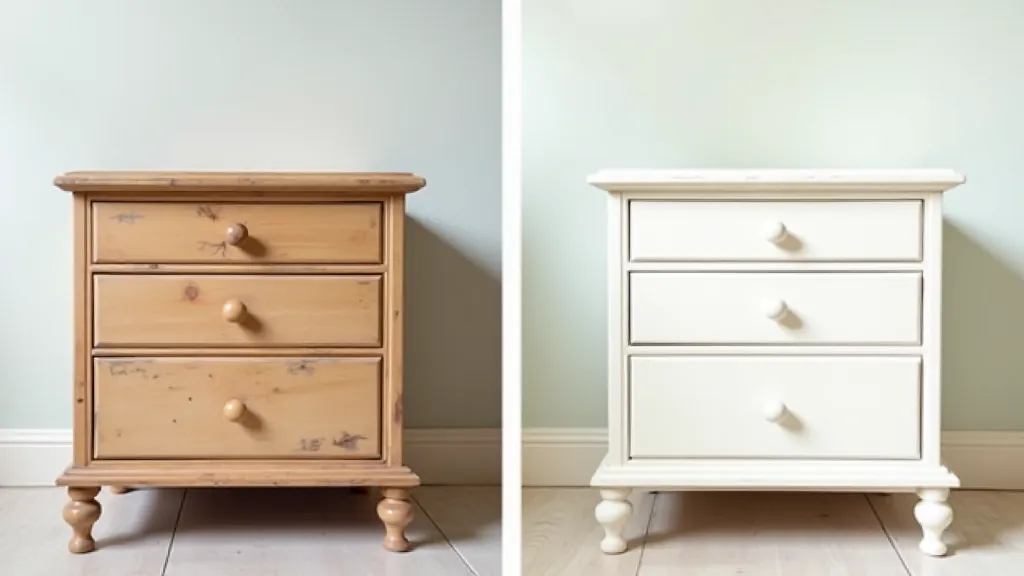
A small wooden side table at a charity shop costs £8-15. You'll spend roughly £15-25 on chalk paint, primer, and hardware. Then there's your time — probably 6-10 hours if you're being careful with prep and finishing. If you're flipping this to sell, you need to recoup costs and make something for your effort.
Here's a practical example: You find a solid wood dresser for £35. Paint and supplies: £30. Time: 15-20 hours. If you sell it for £120-150, you're making roughly £4-5 per hour. That's worth it if you genuinely enjoy the process. If you're purely chasing profit, larger pieces or higher-end finds become more sensible.
Don't chase every piece. The best flips are pieces you're genuinely excited about restoring. Your enthusiasm shows in the finished work.
Building Your Eye Takes Practice
You won't be perfect at spotting winners on your first shopping trip. That's normal. Most people walk past incredible pieces their first dozen times out because they're still learning what solid bones look like. The more you handle different pieces — checking joints, feeling wood grain, examining edges — the faster you'll develop that instinct.
Start with smaller pieces. A single chair, a side table, a bookshelf. You'll learn faster, invest less if it doesn't work out, and build confidence. Once you've successfully completed a few projects, you'll start seeing potential everywhere. That's when the real fun begins.
Disclaimer
This article is for educational and informational purposes only. Furniture restoration involves tools and techniques that vary widely. Always follow safety guidelines when using power tools, chemical treatments, and finishing products. If you're unsure about structural integrity or wood condition, consult a professional restorer. Results from furniture flipping depend on many factors including sourcing, skill level, market demand, and local pricing. Individual outcomes will vary.