Why Upcycling Matters
Here's the thing — your home doesn't need to look like a showroom catalogue. It needs to feel like you. Upcycling lets you build that authenticity while making a genuine environmental difference. Instead of buying new furniture that'll sit in a landfill in five years, you're breathing new life into pieces that already exist. That old dresser from your gran's house? The chair you found at a car boot sale? These become the foundation of a home with character and purpose.
The sustainability angle isn't just about feeling good — though that matters. Manufacturing new furniture produces significant carbon emissions. Shipping, packaging, storage. It adds up fast. When you upcycle, you're sidestepping that entire process. Plus, you're often spending less money while getting something genuinely unique that won't appear in three other homes on your street.
Finding the Right Pieces
You don't need to be a furniture expert to spot a winner at a charity shop or car boot sale. Look for solid wood — that's your starting point. Check the frame by gently pushing on different parts. It shouldn't wobble or creak. Veneer pieces can work too, but they're trickier if they're damaged.
Good sourcing spots include Oxfam furniture stores, local auction houses, Facebook Marketplace, and traditional car boot sales. We tend to focus on pieces from the 1960s through 1990s because the construction quality is usually solid. Modern flat-pack stuff? Harder to work with. Older Victorian pieces are beautiful but often need serious structural work.
Pro tip: Always check underneath and inside drawers. That's where you'll spot water damage, woodworm, or other issues that might be hidden by dust.
Transformation Techniques That Work
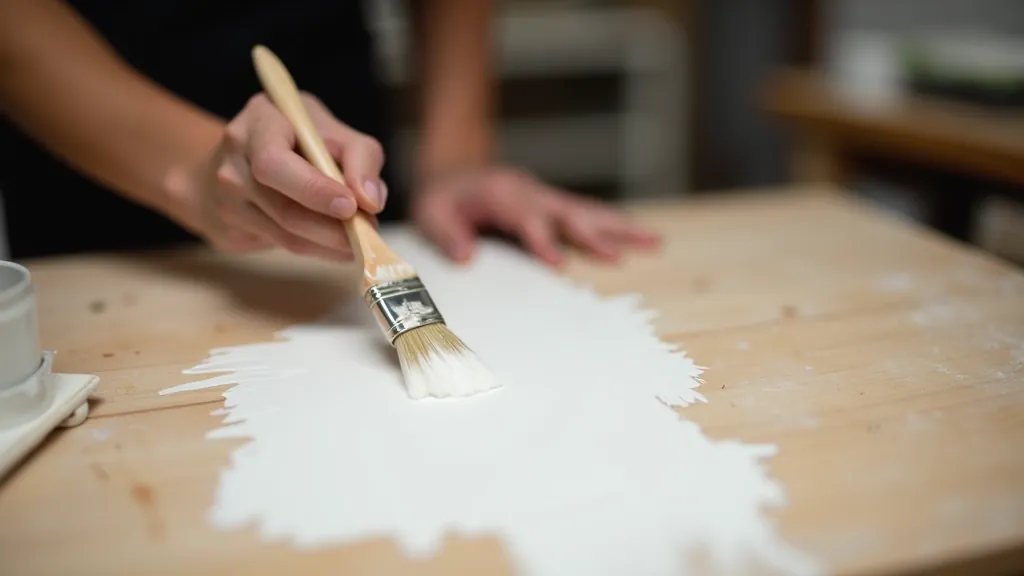
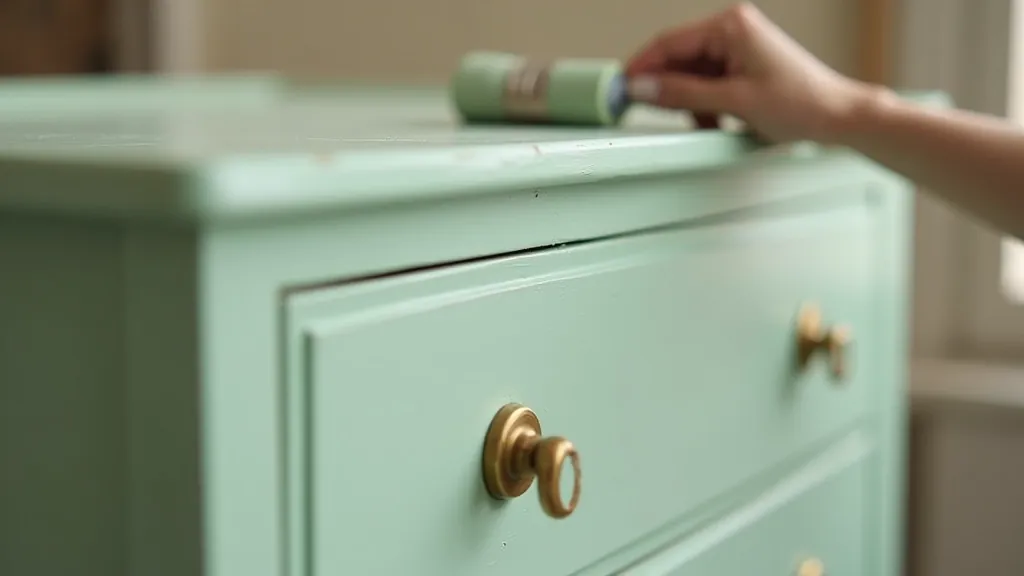
The most accessible upcycling method? Chalk paint. It adheres to almost any surface — no sanding required for some projects. One or two coats covers most pieces nicely. But it's not the only way. You've also got traditional paint and varnish, wood stain, decoupage, upholstery changes, and hardware replacements.
What we've learned over 16 years is this: the best transformation matches the original piece's character. Don't force a Victorian table into looking like modern minimalism. Work with what you've got. A mid-century sideboard wants clean lines and subtle colour. A chunky oak dresser wants richness and depth.
The Basic Process
- 1 Clean thoroughly — remove dust, grime, and old polish
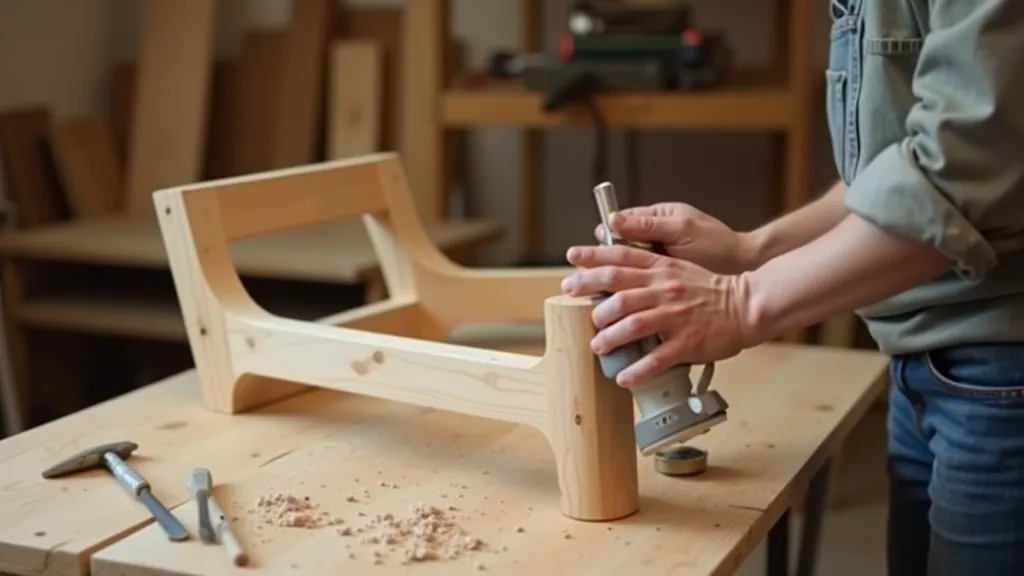
- 2 Assess and repair — fix loose joints, replace broken hardware
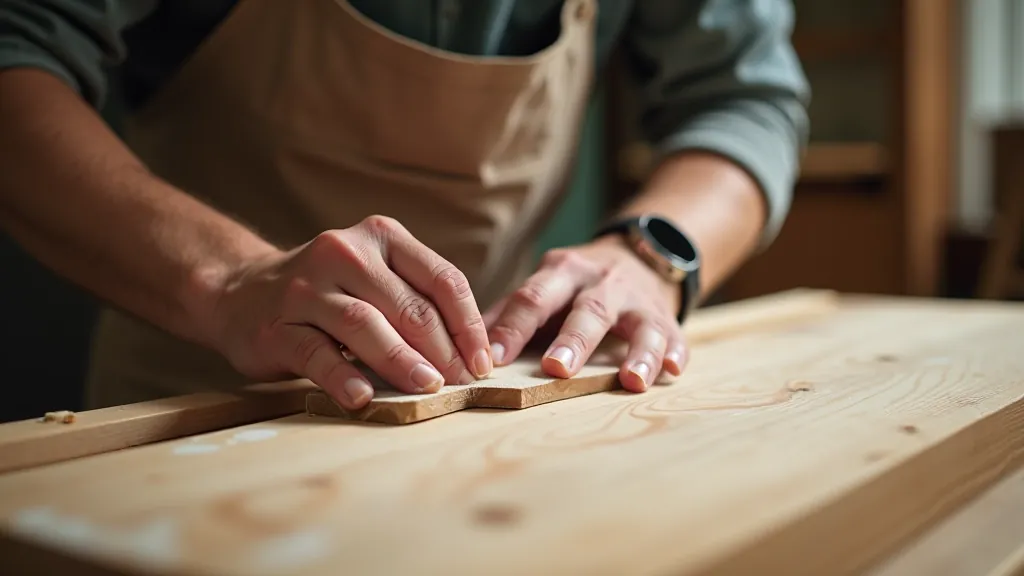
- 3 Prepare the surface — sand if needed, prime if changing colour significantly
- 4 Apply your finish — paint, stain, or other treatment
- 5 Seal and protect — varnish or wax depending on the piece
Creating Cohesion in Your Space
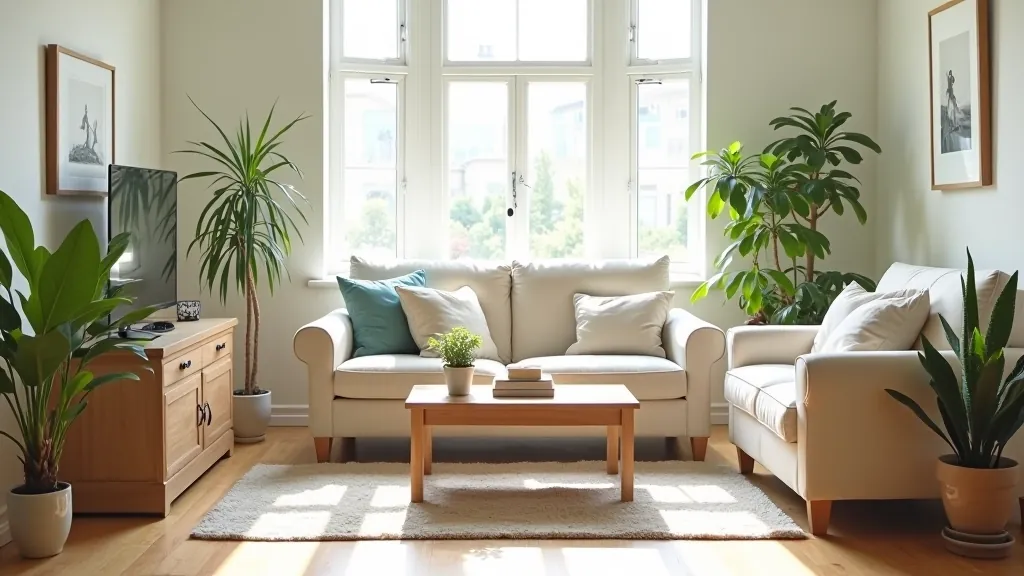
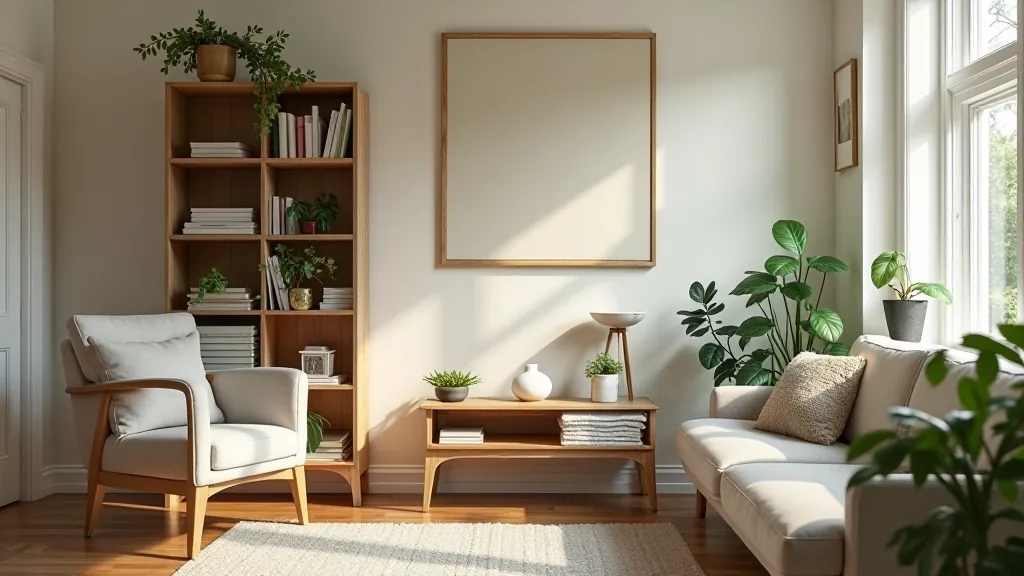
One upcycled piece looks quirky. Three pieces in complementary colours and styles? That's intentional design. The trick is thinking about your space as a whole rather than individual furniture items. Pick a colour palette — maybe soft greens and warm whites, or deeper blues and natural wood tones — and work within that.
We recommend choosing no more than three main colours plus neutrals. Everything you upcycle should reference at least one of those colours. Hardware finishes matter too. If you're mixing brass with brushed nickel, commit to it — use both consistently across pieces rather than randomly.
The beauty of upcycling is that imperfection becomes part of the charm. A slightly worn edge on a painted dresser tells a story. Your home should feel lived-in, not showroom-perfect.
The Real Impact
Let's be concrete about this. One average piece of furniture saved from landfill prevents roughly 30 kilograms of CO2 emissions compared to manufacturing a new equivalent. Over a decade, if you've upcycled just 10 pieces? That's 300 kilograms of emissions avoided. Plus you're not buying new, so you're not contributing to demand for virgin resources.
Average lifespan of upcycled furniture with proper care
Less carbon footprint vs. new furniture production
Unique — no two upcycled pieces are identical
But here's what really matters: you're building a home that reflects who you are. Every piece has a story. That shelf came from a local auction house and you spent three weekends restoring it. That chair was your mum's and you gave it new life. These aren't just objects — they're memories and choices made intentionally.
Getting Started Today
You don't need fancy tools or years of experience. Start with one piece. Visit your local charity shop this weekend. Look for something solid that speaks to you. Don't overthink it. Grab some chalk paint if you're nervous about commitment — it's forgiving and you can always repaint. Spend a Saturday afternoon working on it. See how you feel when it's done.
That's genuinely how most people begin their upcycling journey. One piece becomes two, then you're hunting at boot sales, then you're the person your friends call when they want to refresh their living room. It's a skill that builds gradually, and it's deeply satisfying because the results are entirely yours.
Educational Note: This article provides general guidance on upcycling techniques and sustainable home décor. Results depend on individual skill level, materials used, and specific furniture pieces. Always follow safety guidelines when using tools and finishing products. If working with antique pieces, consider professional assessment for structural integrity before beginning restoration work.